La Bayadere: The complexity of Gamzatti
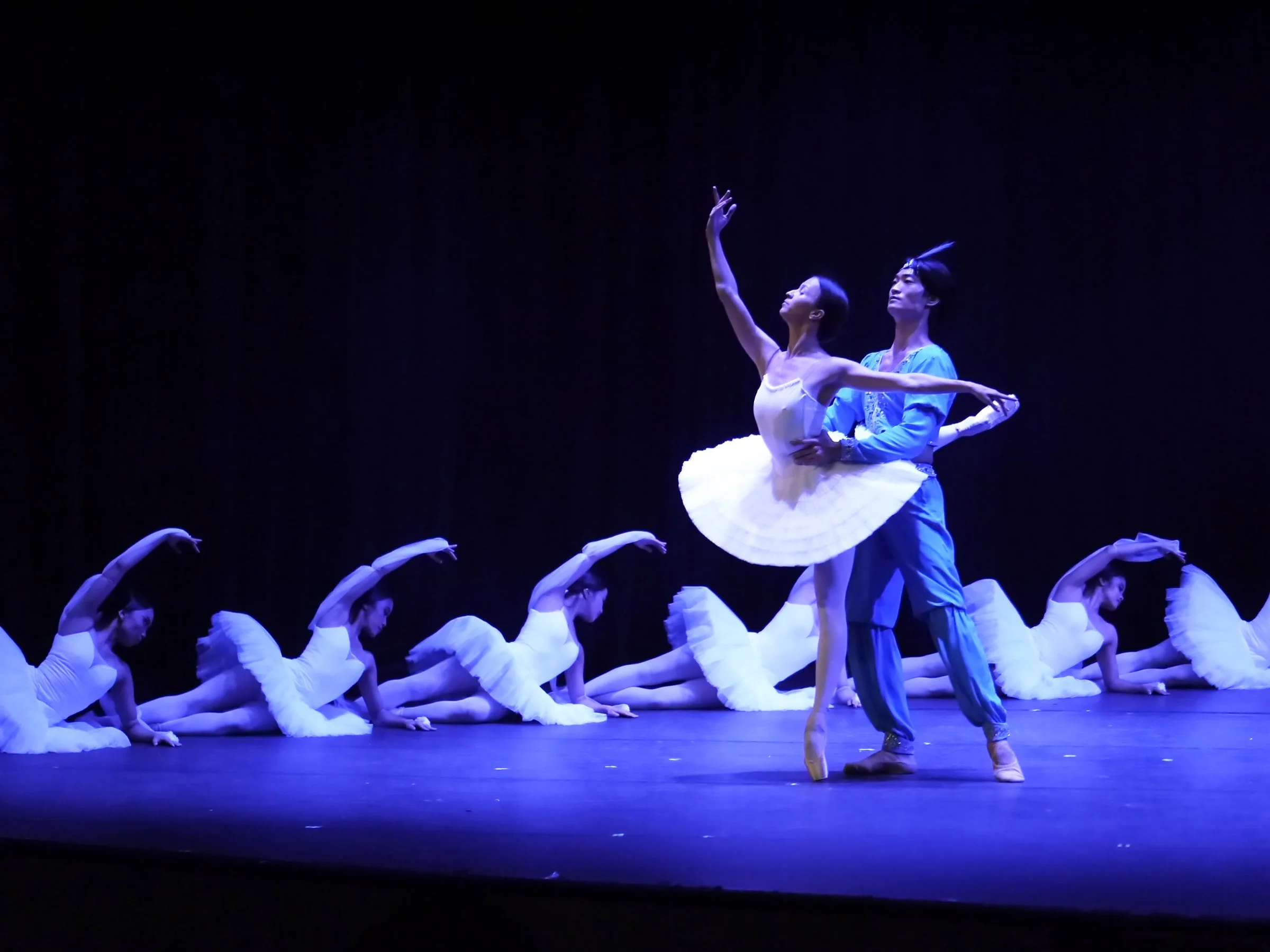
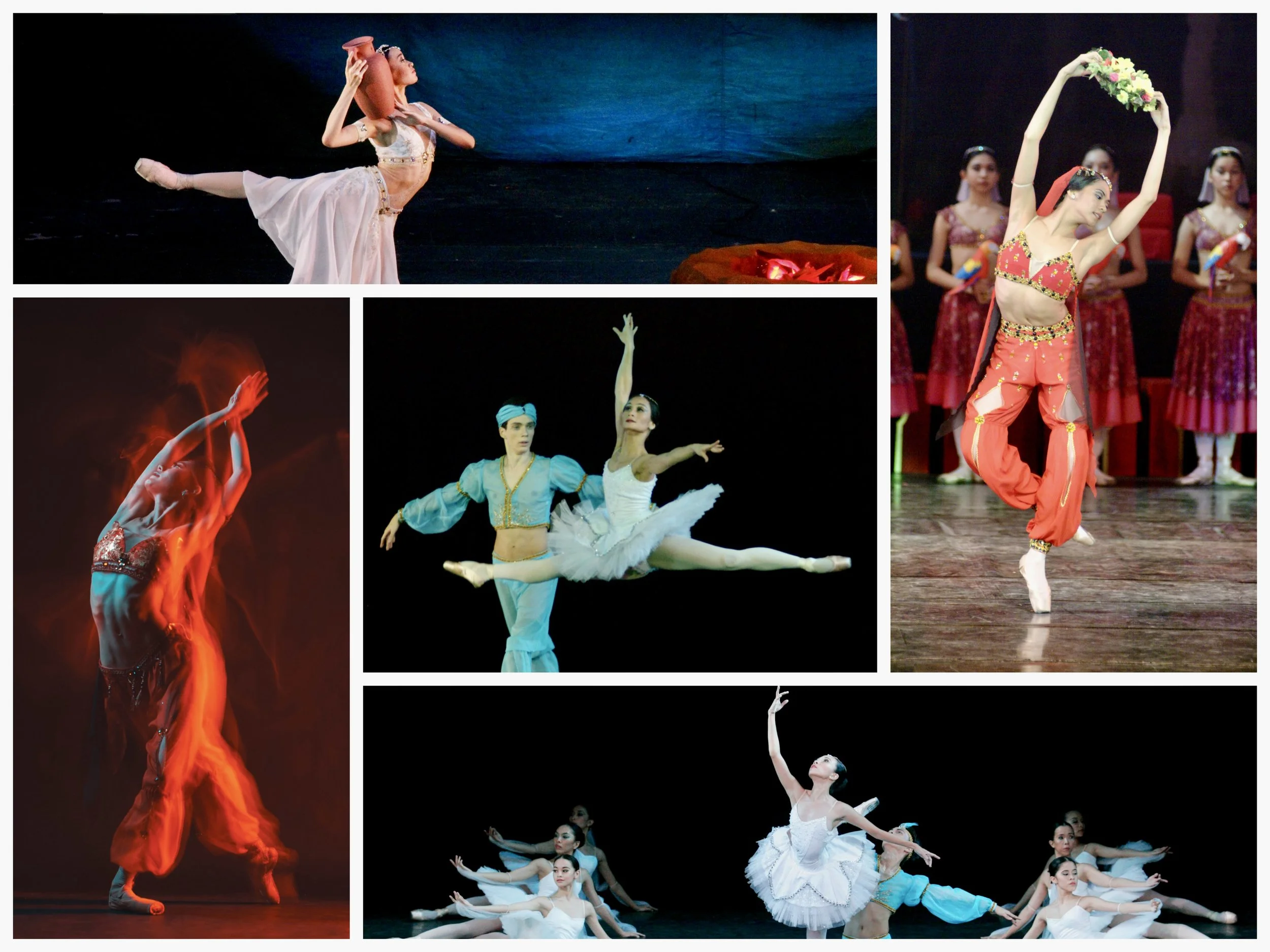
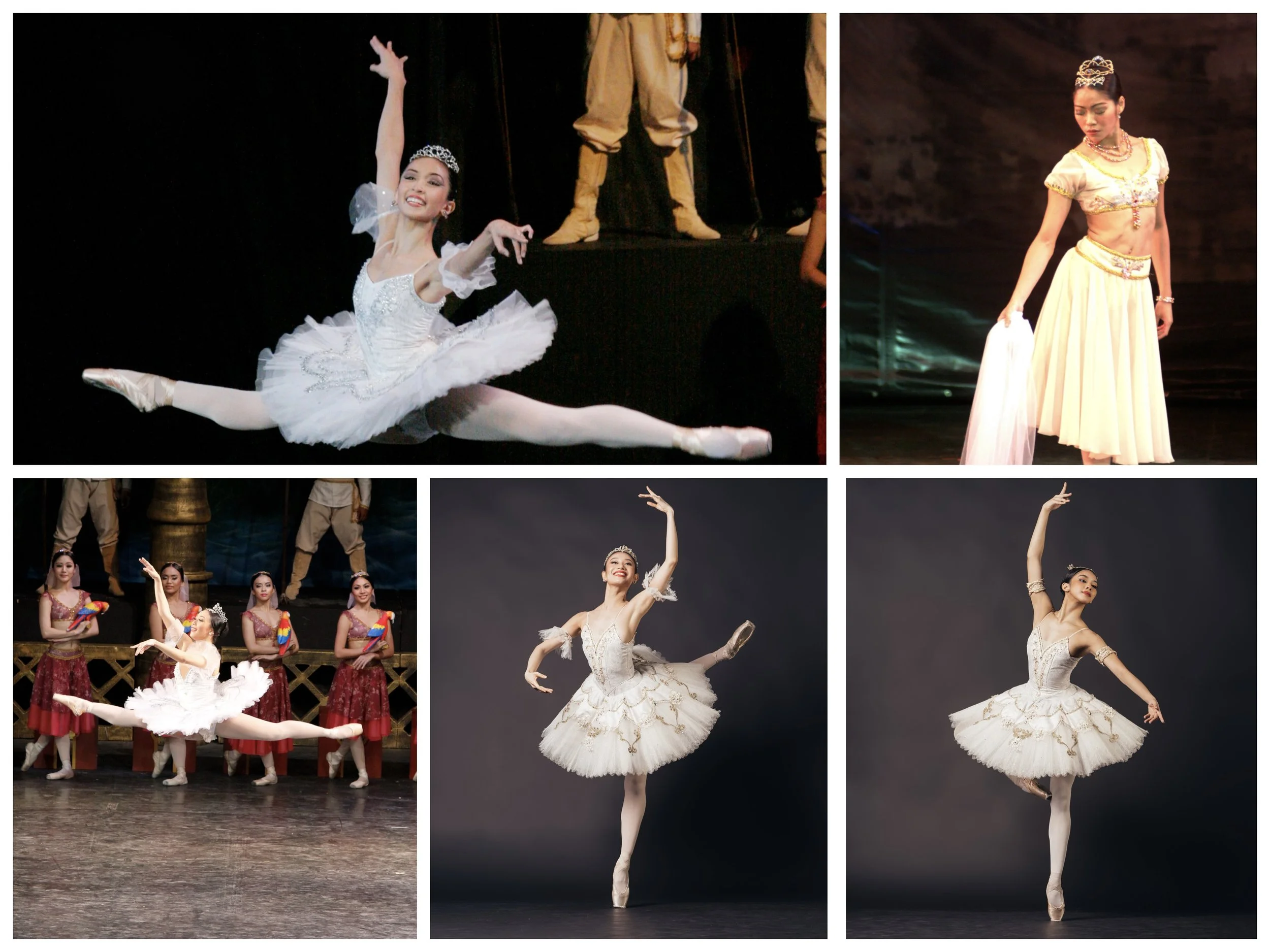
Marian Faustino dances as Gamzatti, the princess betrothed to the warrior Solor in La Bayadere during its run in 2006. Photo by Ocs Alvarez
Pitting a lowly temple dancer against a princess for the love of the most noble warrior set La Bayadere squarely into soap-opera territory. Indeed, when Marius Petipa and Sergei Khudekov wrote the libretto for what would turn out to be Petipa’s most opulent choreography, it was very clear that they understood drama and how to wield it.
Gamzatti is a complex character that Sandra Lynn Huang got to portray in 2004 when Ballet Manila first presented the full-length La Bayadere. Photo by Ocs Alvarez
The temple dancer Nikiya and the warrior Solor pledge their undying love to each other, only to be told that the Rajah has decided it is time for the hero to marry his daughter, the princess Gamzatti. A political marriage, it is meant to consolidate the Rajah’s forces and show military might. But when shown a picture of her groom-to-be, the princess does not think twice and readily embraces her fate.
But there is one little detail about Gamzatti and Solor in Petipa and Khudekov’s libretto that is often left out in the synopsis of the ballet’s more recent productions. The princess and the warrior have been promised to each other since childhood.
Finding out that her betrothed has taken an oath to love another – a mere temple dancer, at that – is not just heartbreaking for Gamzatti; it is also demeaning for someone of her stature. This is the context for the princess’ succeeding actions, making her a complex character rather than an outright villain.
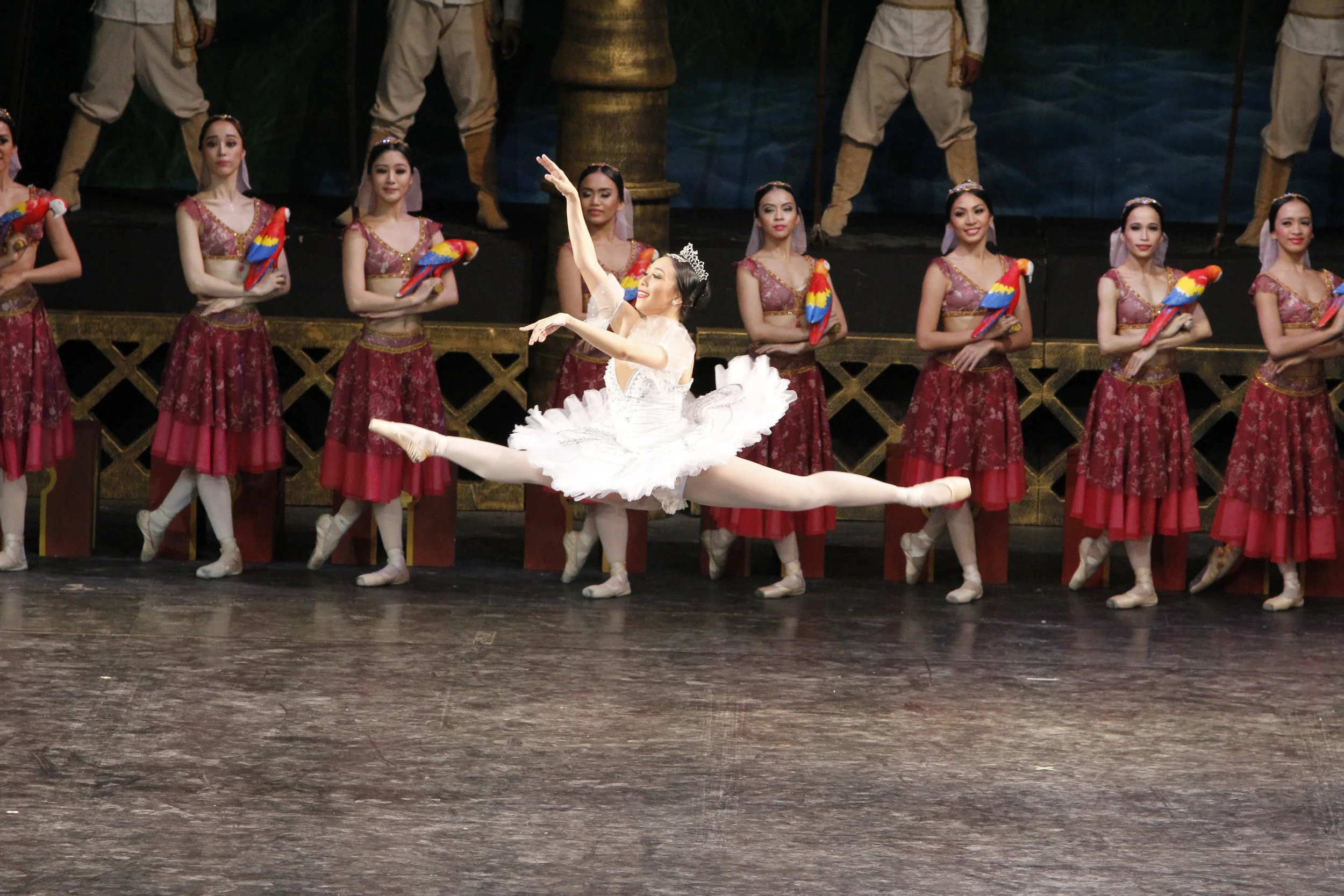
In Ballet Manila’s staging of La Bayadere in 2013, for Lisa Macuja Elizalde’s Swan Song Series, Mylene Aggabao danced as Gamzatti to the prima ballerina’s Nikiya. Photo by Ocs Alvarez
This tension in Gamzatti’s character is in full display in her variation in Act 2. Petipa’s choreography presents her as strong, powerful, regal and unapologetic. She enters with grand jetés, immediately asserting her dominance on stage.
Maria Gorshenkova originated the role in 1877 when the character was still called Hamsatti. There is no clear explanation for the name change but by the time Olga Preobrazhenskaya took on the role in 1900, it was already rewritten as Gamzatti.
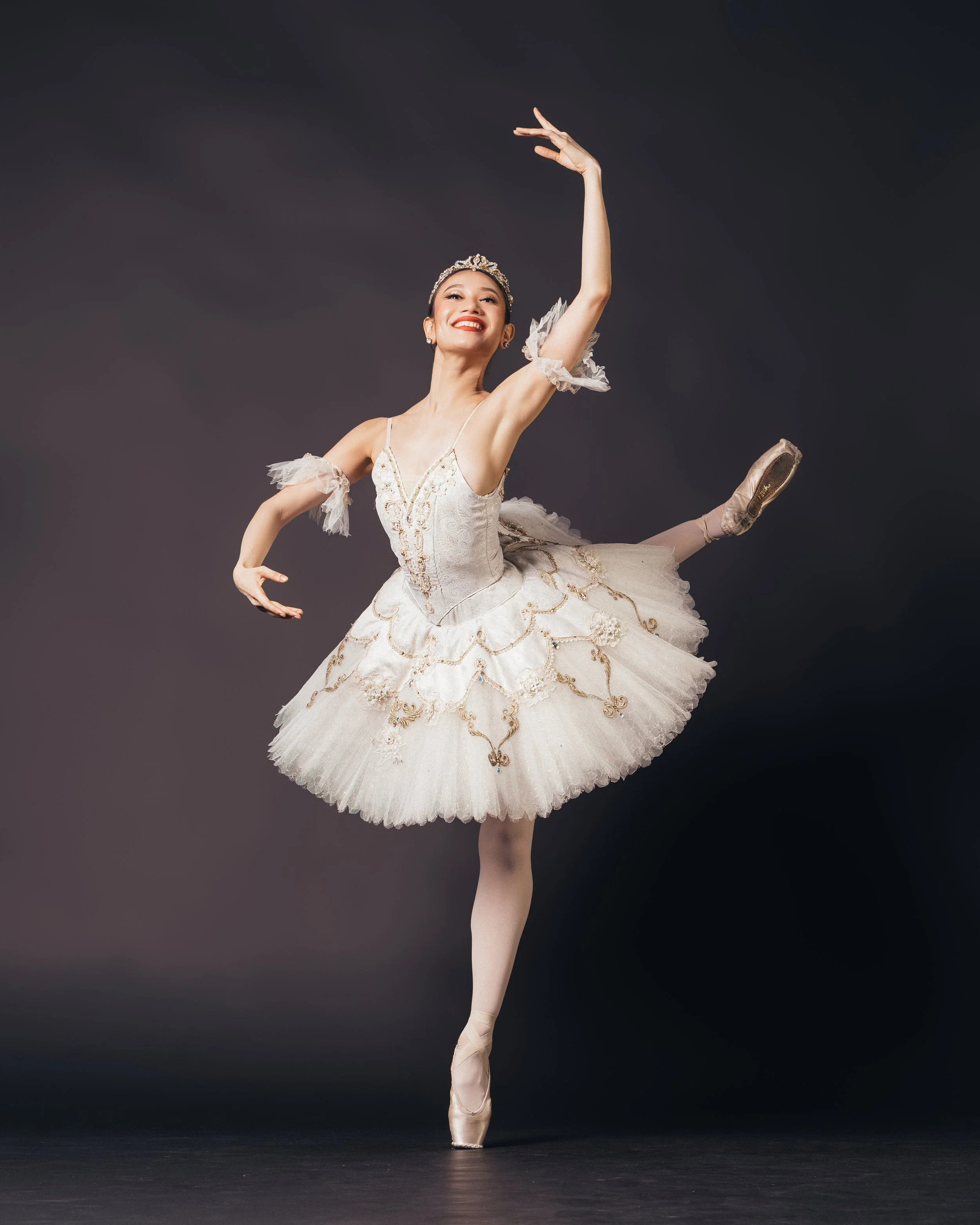
With the return of La Bayadere this year, principal dancer Abigail Oliveiro has been cast both as the heroine Nikiya and the villain Gamzatti (above). Photo by MarBi Photography
Among the prominent dancers to take on the role were Darcey Bussell, Marianela Nuñez and Natalia Osipova (all with The Royal Ballet), Gillian Murphy (American Ballet Theatre), Élisabeth Platel (Paris Opéra Ballet) and Ekaterina Krysanova (Bolshoi Ballet).
For Ballet Manila’s full-length productions of La Bayadere, the role of Gamzatti was performed by Marian Faustino, Mylene Aggabao, Sandra Lynn Huang, Jan Erika Basilio and Violet Hong.
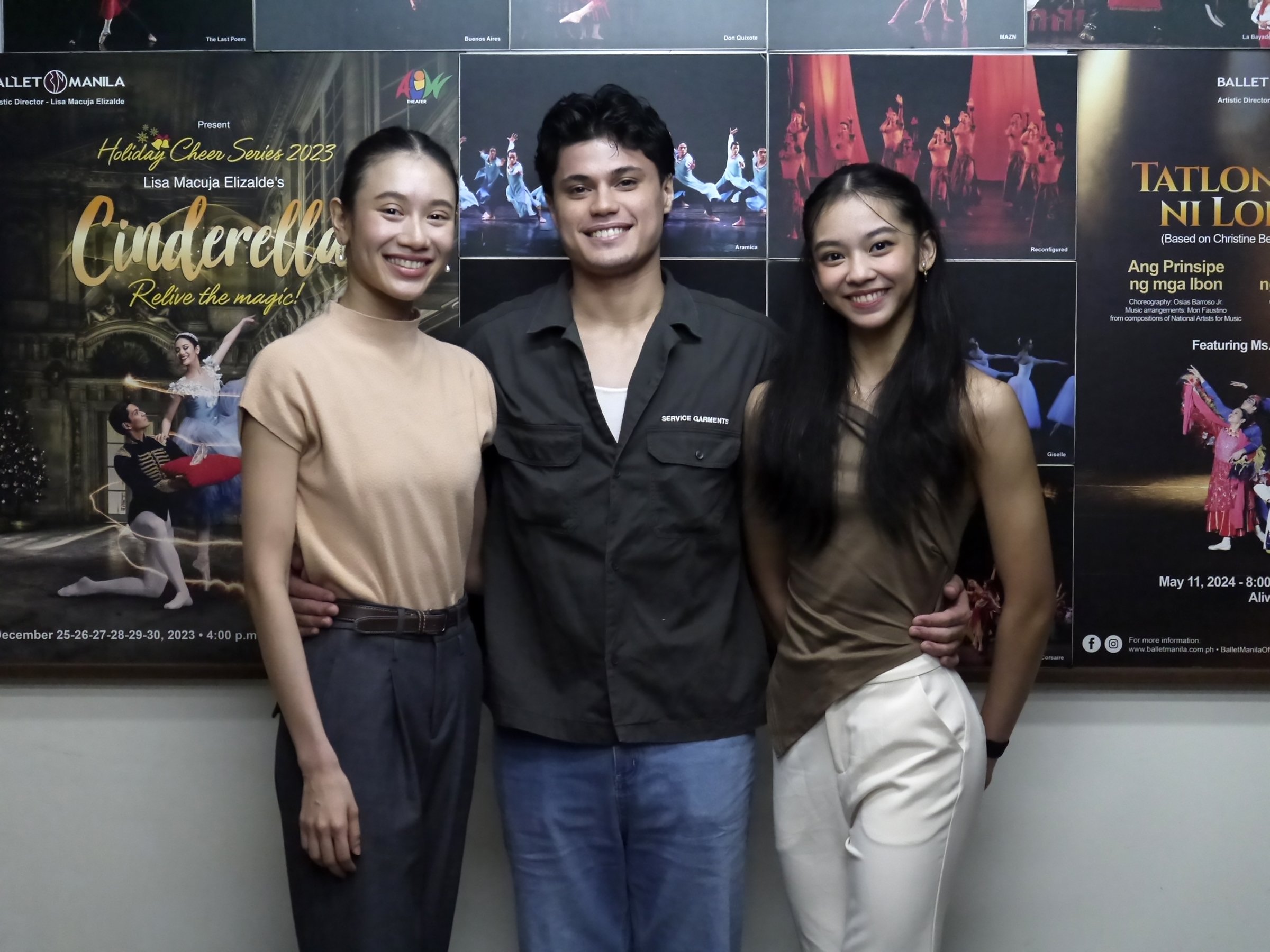
This month, BM will be introducing two new Gamzattis: principal dancer Abigail Oliveiro who will also debut as Nikiya, and soloist Shamira Drapete.
While performing the same role, the two dancers will be staging different versions of this complicated character, further affirming the complexity of Gamzatti and the challenge she presents to dancers brave enough to assume her persona.
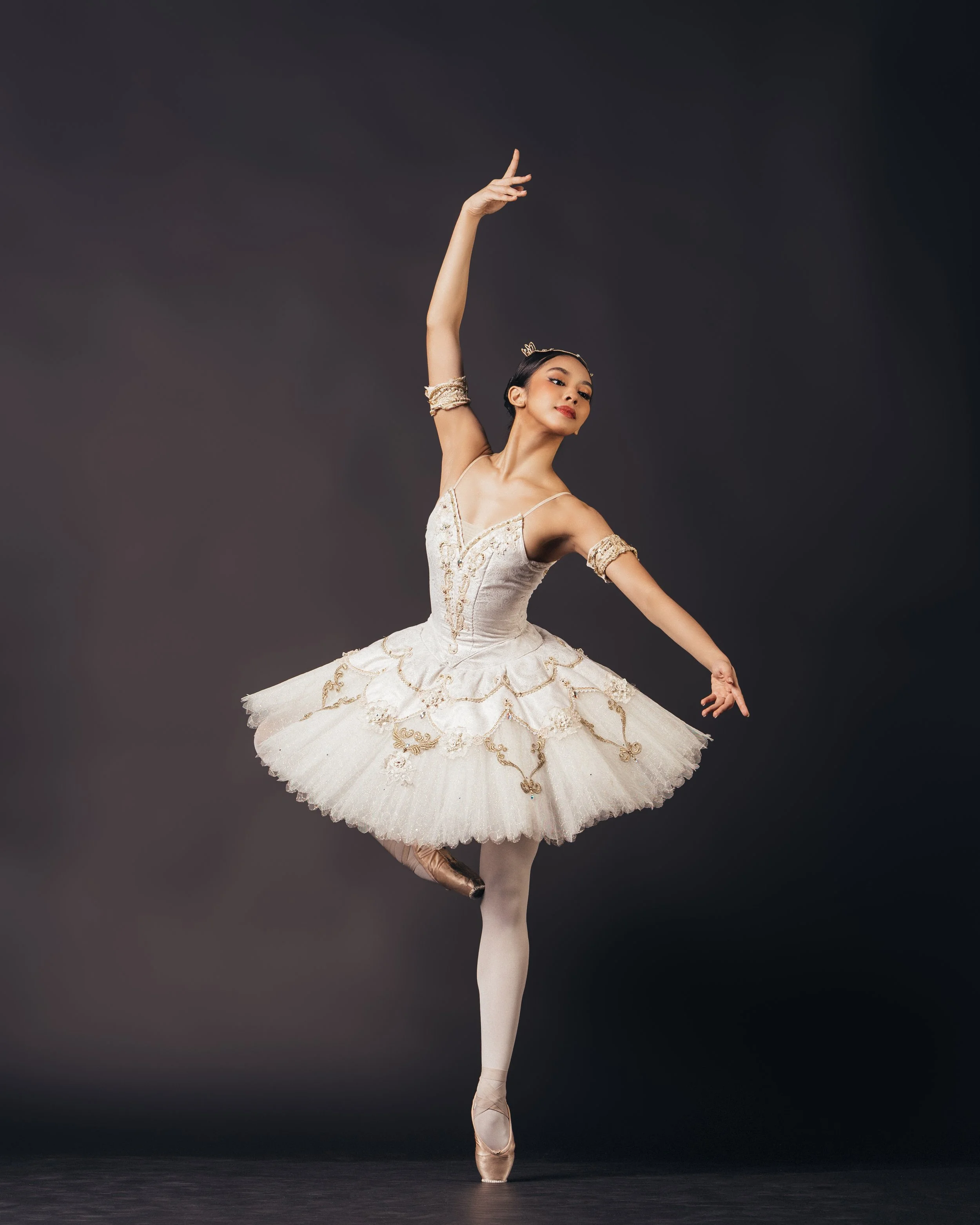
Soloist Shamira Drapete makes her debut as Gamzatti in Ballet Manila’s fourth staging ofI La Bayadere. Photo by MarBi Photography