La Bayadere: The quiet courage of Nikiya
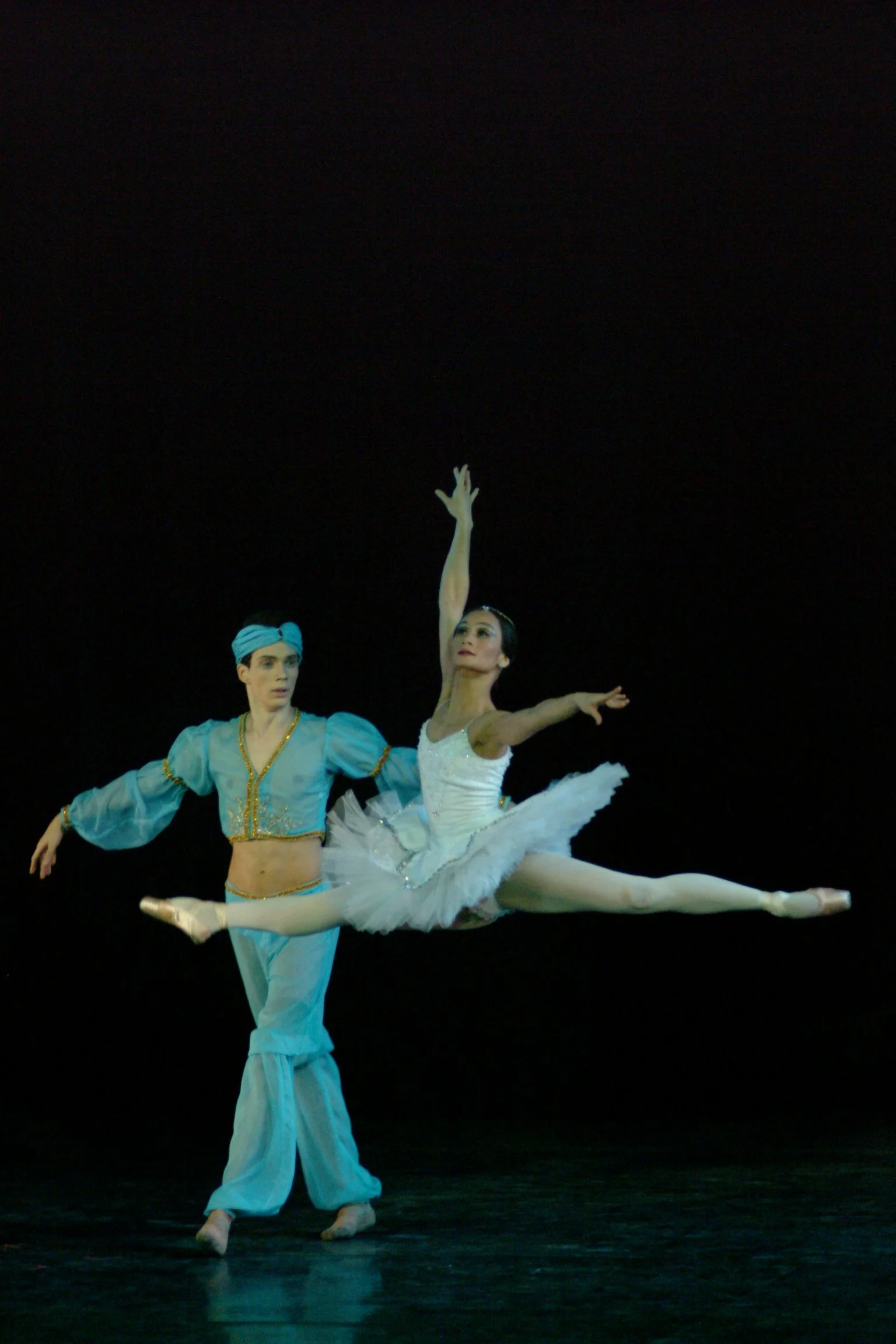
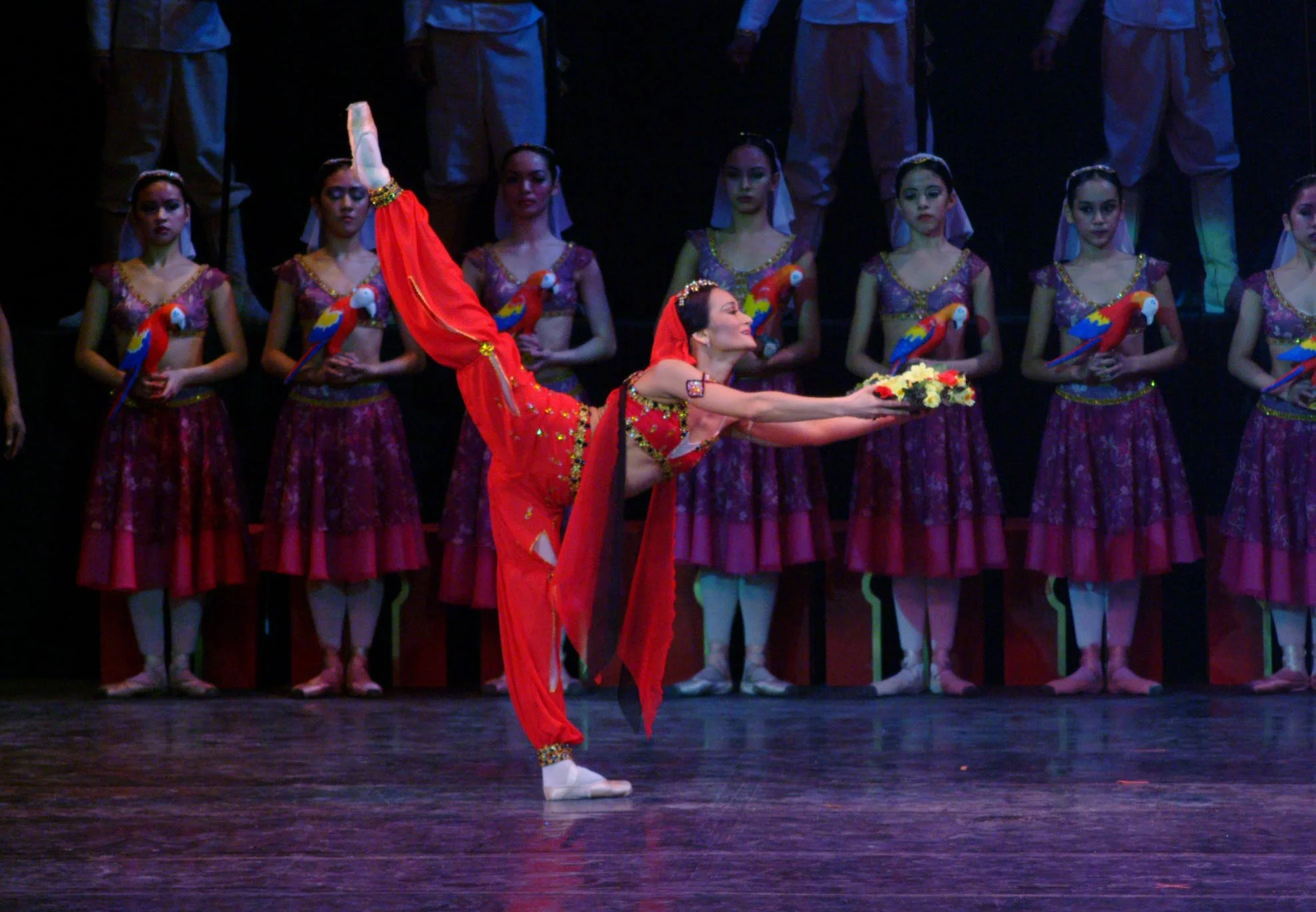
Lisa Macuja Elizalde fleshes out the title role of Nikiya for Ballet Manila’s first staging of La Bayadere in 2004, with Mariinsky Ballet guest artist Maxim Chashchegorov as her Solor. Photo by Ocs Alvarez
When the curtains fell on the world premiere of La Bayadere in 1877, it received both critical and commercial acclaim with the audience applauding the spectacular production. Very few would suspect that its choreographer Marius Petipa was fighting almost every step of the way with prima ballerina Ekaterina Vazem who took on the lead role of Nikiya.

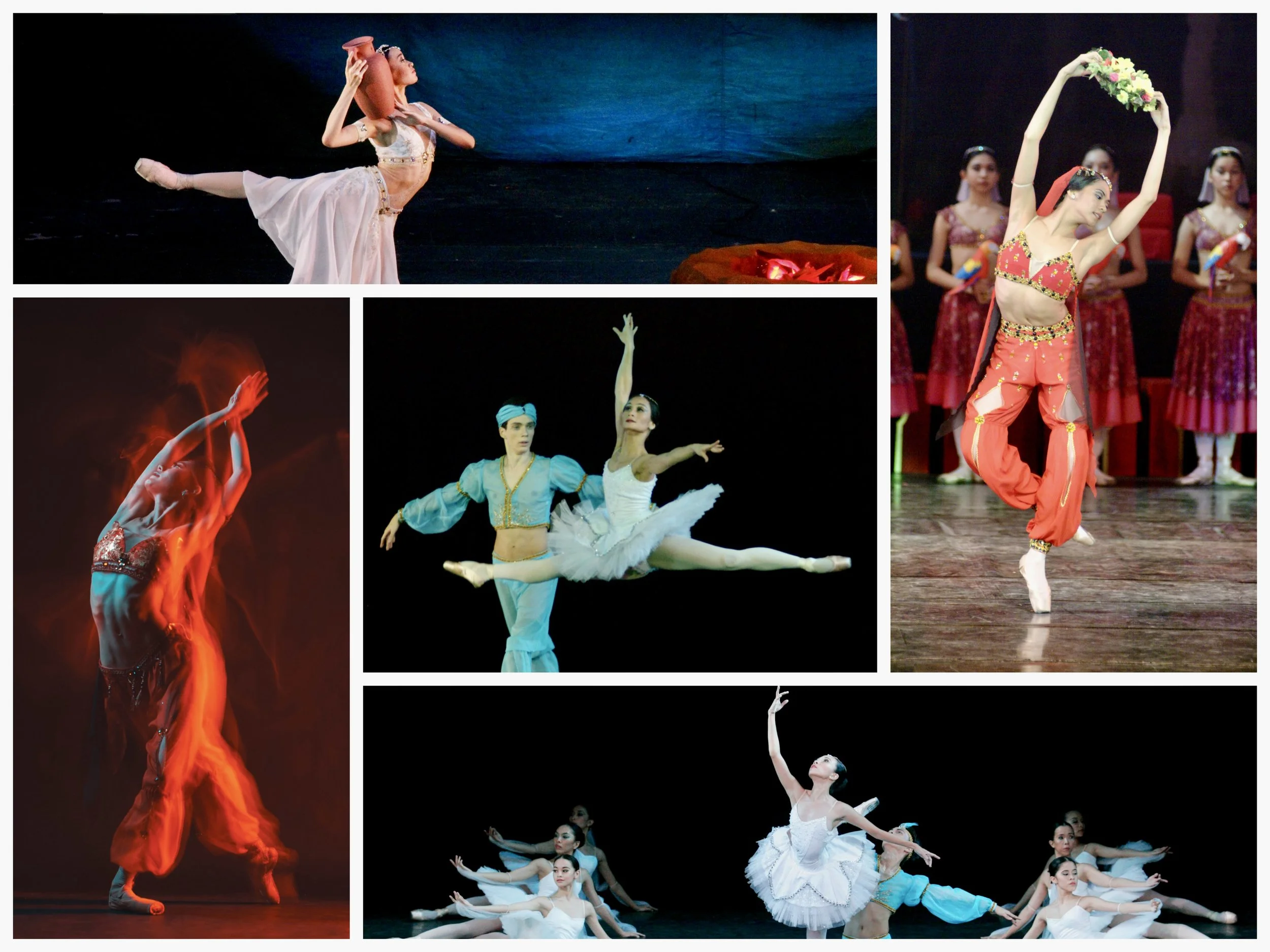
Christine Rocas exudes Nikiya’s quiet courage in the 2004 La Bayadere. Photo by Ocs Alvarez
Nikiya, as the name of the ballet describes, is a temple dancer in Ancient India. Unlike other tragic heroines, she is strong and feisty. When she swears eternal love to the warrior Solor, it is an oath she intends to keep and she expects her lover to do the same. Upon finding out that Solor has been promised to Gamzatti, Nikiya refuses to back down. She fights for her love and with her dying breath, reminds Solor of his vow.
La Bayadere was created and staged specifically for Ekaterina and the role was clearly in her wheelhouse. She exhibited the same strength, quiet courage and resoluteness as the character. When Marius Petipa’s choreography did not make sense to her, she did not think twice about telling him and refused to do his bidding.
Of their many clashes, it was her entrance in the final Grand Pas d’action that matters came to a head.
Ekaterina wrote in her memoir: “… for my entrance Petipa again staged something absurd consisting of some small pas. I did not hesitate to reject this version, which was ‘not in the music’ and neither did meet the general idea of this dance. Something more impressive was required for the entrée of the shadow that appeared in the middle of the wedding celebration than those indistinguishable trifles invented by Petipa. Petipa was already irritated. The last act did not go well for him at all; he wanted to finish the production of La Bayadère at all costs on that day. He hastily put on for me something else, even less successful, and again I calmly objected that I would not dance this. Then he completely lost his temper and shouted in rage:
“‘I don’t understand what you need to dance. You can’t do this, and you can’t do anything else! … What kind of talent you are?’
Dawna Reign Mangahas portrays the strong and feisty temple dancer in 2013, Ballet Manila’s third time to present La Bayadere. Photo by Jimmy Villanueva
“Without saying a word, I took my things and left the rehearsal, which thus came to end.”
The next day, she was told to simply dance like Maria Gorshenkova who was performing as Hamsatti (which was later renamed Gamzatti). It did not exactly suit her abilities but Ekaterina decided to take it and make it her own.
In the succeeding rehearsals, she only marked her positions but did not actually dance the entrance. When the first orchestral rehearsal was held, Marius washed his hands off the matter and told everyone that he had no idea what Ekaterina will be performing.
Ekaterina continued in her memoir: “At the first sounds of accompanying music, I gathered all my strength – my nerves seemed to be tripled – and literally flew onto the stage, jumping even over the heads of the kneeling dancers in the group. After crossing the stage in three jumps, I stopped dead on the spot. The entire troupe on stage and in the auditorium burst into thunderous applause. Petipa, who was on the stage, apparently at once realized his unfair attitude towards me. He came up to me and said:
Mylene Aggabao takes her turn as Nikiya in 2006, reuniting with Solor (Nino Guevarra) in the afterlife. Photo by Ocs Alvarez
“‘Madame, I am sorry. I am a fool…’”
Nikiya soon became Ekaterina’s favorite role. She appreciated the opulent staging, the technically challenging choreography, and the beautiful music of Ludwig Minkus.
In 1900, at Marius’ staging of La Bayadere for the Imperial Mariinsky Theater, the role of Nikiya was passed on to Matilda Kschessinskaya who was named prima ballerina assoluta of the Saint Petersburg Imperial Theatres four years before.
Two years after debuting the role, a pregnant Matilda was tasked to coach Anna Pavlova for her debut as Nikiya. While charming to her colleagues, Matilda had a reputation for being ruthless to her rivals. She looked down on the young dancer whom she considered weak in technique. As far as she was concerned, they were not equals and success was far from Anna’s future. Unfortunately for her, the audience thought otherwise. They fell in love with the up-and-coming ballerina who went on to change the landscape of ballet.
As Ballet Manila brings back La Bayadere for a fourth time, principal Abigail Oliveiro is set to make her debut as the tragic heroine Nikiya. Photo by MarBi Photography
In 1932, Agrippina Vaganova presented her own version of La Bayadere for Kirov Ballet with her star pupil prima ballerina Marina Semenova as Nikiya. The changes in the temple dancer’s variations would eventually find its way to the restaging in 1940 by ballet master Vladimir Ponomarev and with premier danseur Vakhtang Chabukiani. This version would go on to become the basis of subsequent La Bayadere productions and would be danced by the likes of Natalia Dudinskaya, Gabriella Komleva and Margot Fonteyn.
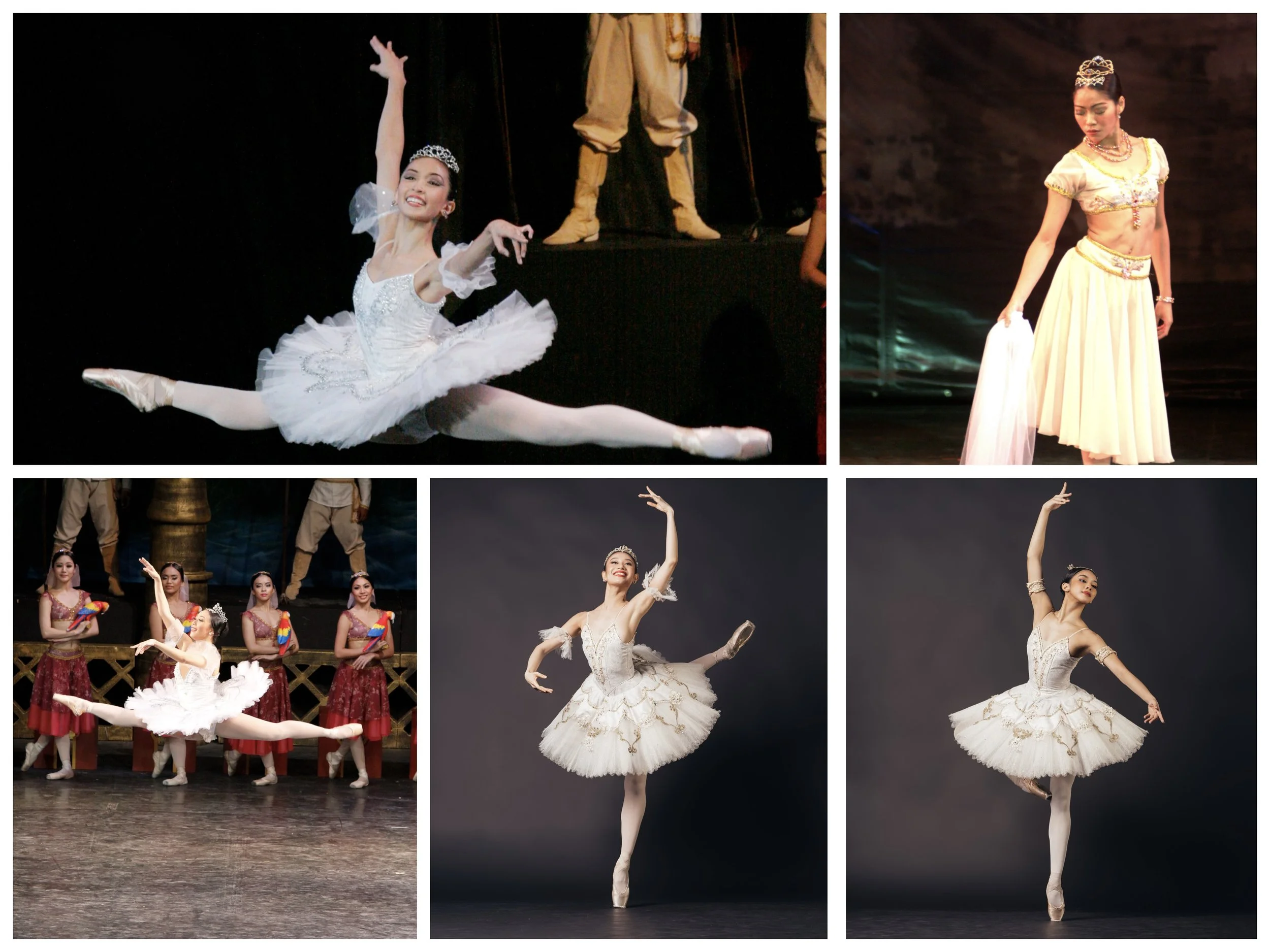
At Ballet Manila, the role of Nikiya in the full-length productions of La Bayadere has been performed by prima ballerina Lisa Macuja Elizalde, Christine Rocas, Mylene Aggabao, and Dawna Reign Mangahas.
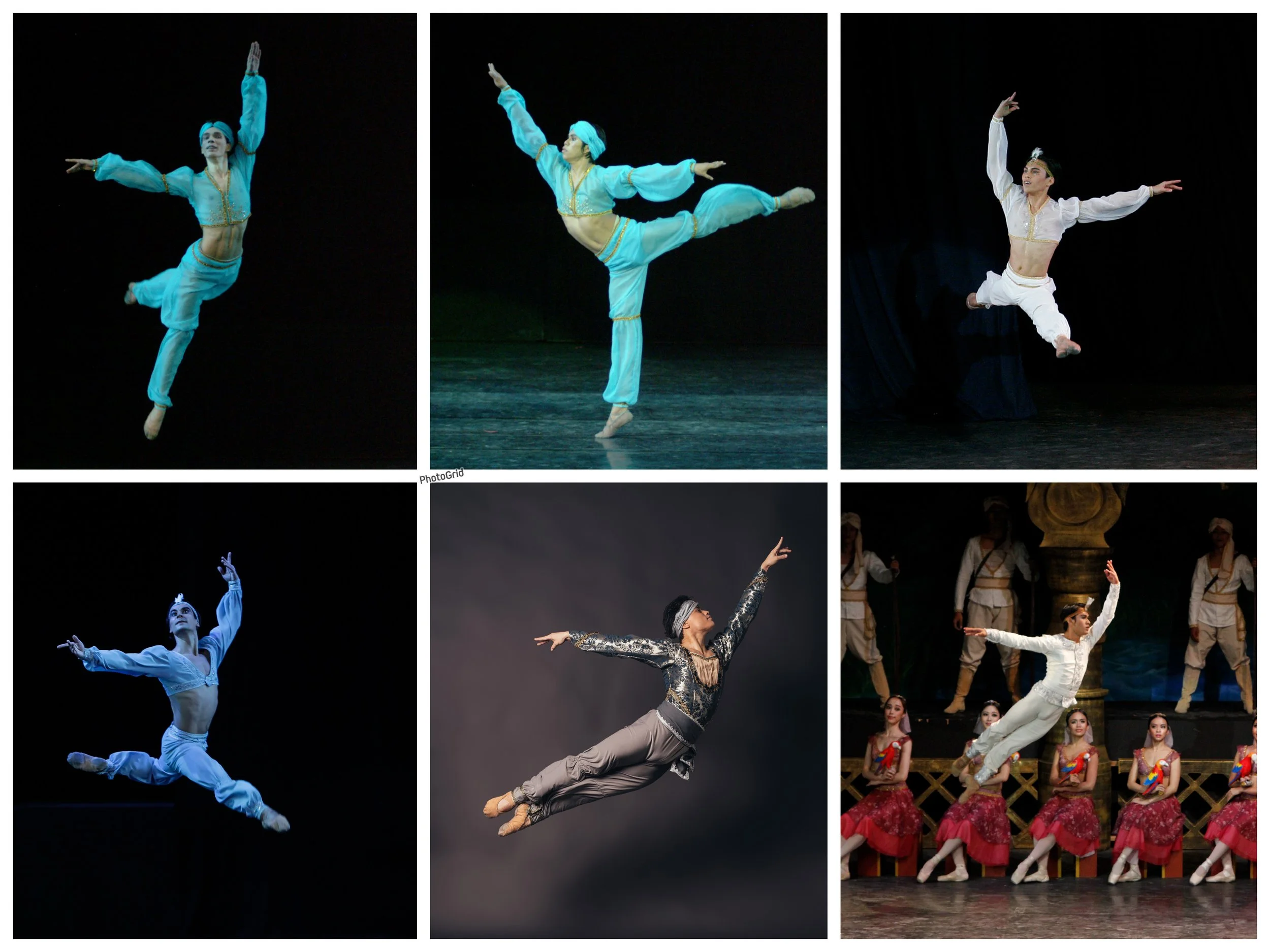
On August 15, principal dancer Abigail Oliveiro will be debuting as Nikiya to soloist Noah Esplana’s Solor. In addition, the night before that, she will also be debuting as Gamzatti to Mariinsky Ballet prima ballerina Renata Shakirova’s Nikiya and Mariinsky principal dancer Kimin Kim’s Solor.
Over a century since it premiered, the role of Nikiya continues to challenge the dancers performing her. Indeed, Nikiya’s strength, confidence and steadfastness are qualities every ballerina should possess, defying the odds and boldly claiming what she rightfully deserves.